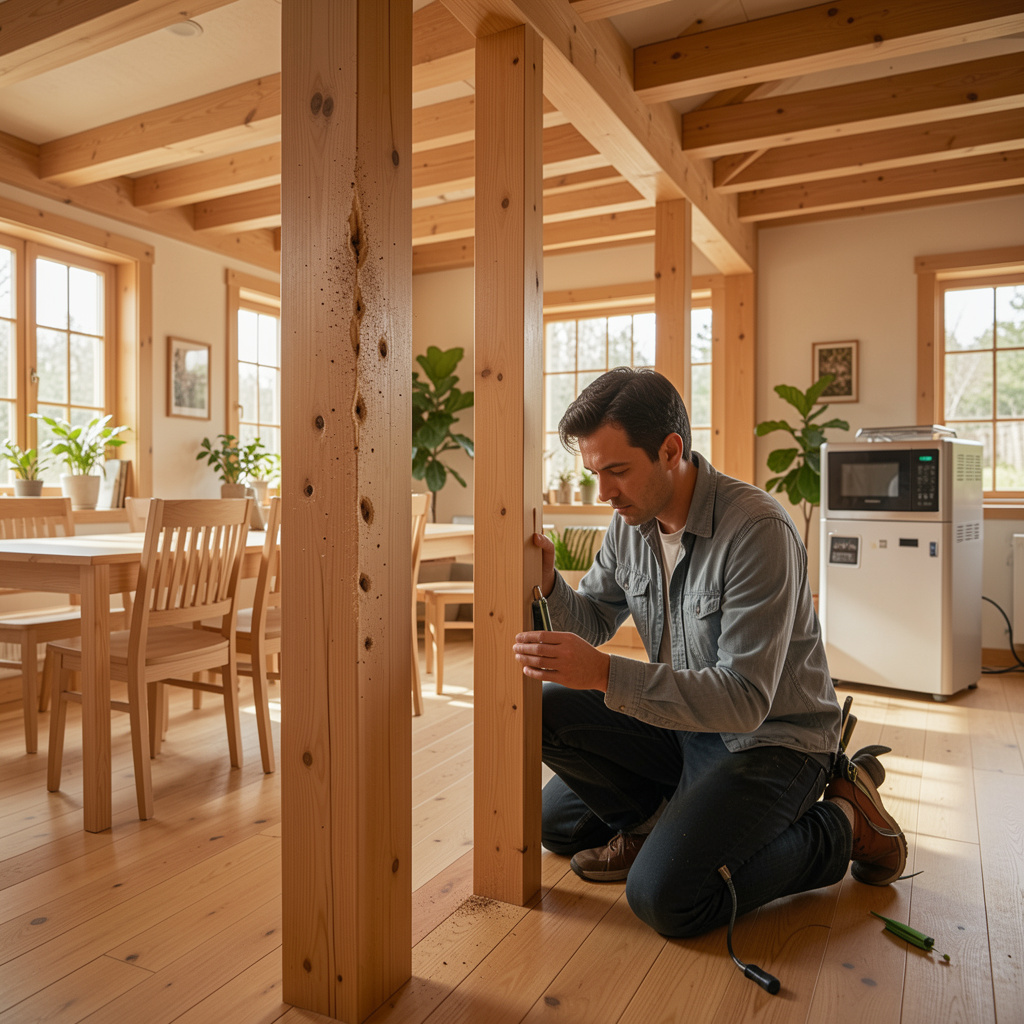
Wooden structures add strength, beauty, and durability to homes, cabins, barns, furniture, roof systems, and outdoor spaces. From roof beams and floorboards to ceiling joists, decking, and wooden walls, timber plays an essential role in maintaining the stability and appearance of a property. However, because wood is a natural material, it can become vulnerable to moisture, pests, mold, cracking, and structural wear over time.
One of the biggest mistakes homeowners make is assuming wooden structures only need attention when visible damage appears. In reality, many timber problems begin quietly and remain hidden for months or even years before becoming serious. This is why routine inspection is essential for wooden structures.
Regular inspections help homeowners detect problems early, reduce repair costs, improve structural safety, and extend the lifespan of timber.
Many homeowners researching timber care through shashel.eu/ understand that prevention and early detection are some of the most effective ways to protect wooden structures long term.
In this guide, we will explain why wooden structures need routine inspection and how homeowners can benefit from regular maintenance.
Early Detection Prevents Bigger Problems
One of the biggest benefits of routine inspection is:
Finding problems early
Why Early Detection Matters
Small issues often become major repairs if ignored.
Routine inspections help identify:
- Cracks
- Moisture damage
- Weak timber
before serious problems develop.
Fast action improves outcomes.
Healthy timber lasts longer.
Hidden Damage Often Goes Unnoticed
Many wood problems begin out of sight.
High-Risk Hidden Areas Include
- Roof beams
- Ceiling joists
- Floor supports
- Attics
Why Hidden Areas Matter
Damage may quietly spread without visible symptoms.
Routine inspection improves prevention.
Never overlook concealed timber.
Many homeowners exploring timber care through shashel.eu understand that hidden timber deserves regular attention.
Routine Inspection Helps Detect Woodworm Early
Woodworm often remains hidden inside wood.
Warning Signs to Watch For
Look for:
- Tiny holes in timber
- Powdery dust (frass)
Why Early Detection Matters
Fast treatment may help reduce:
- Structural weakening
Protecting timber early saves money.
Consistency matters.
Helps Prevent Moisture Damage
Moisture is one of wood’s biggest threats.
Why Moisture Matters
Damp timber becomes vulnerable to:
- Mold
- Rot
- Pest activity
Common Moisture Sources Include
- Roof leaks
- Pipe leaks
- Condensation
Routine inspections help identify moisture problems early.
Dry timber naturally stays stronger.
Improves Structural Safety
Wooden structures support important parts of a home.
High-Risk Structural Areas Include
- Roof beams
- Ceiling supports
- Floor joists
Why Safety Matters
Weak timber may affect:
- Stability
- Structural strength
Routine inspections improve home safety.
Healthy structures matter.
Reduces Expensive Repair Costs
Small maintenance often costs less than major restoration.
Why Prevention Saves Money
Routine inspections may help prevent:
- Major timber replacement
- Structural repairs
Benefits Include
- Lower long-term costs
Fast action improves durability.
Healthy timber protects the property.
Helps Detect Termites and Other Pests
Wood pests often stay hidden.
Common Timber Pests Include
- Woodworm
- Termites
- Beetles
Early Warning Signs Include
- Tiny holes
- Powdery dust
- Hollow wood sounds
Routine inspections improve early detection.
Healthy wood discourages pests.
Protects Outdoor Wooden Structures
Outdoor timber faces additional stress.
High-Risk Outdoor Areas Include
- Decking
- Fences
- Wooden stairs
Why Outdoor Inspections Matter
Weather exposure increases risk of:
- Moisture damage
- Cracking
Routine maintenance improves durability.
Outdoor timber deserves care too.
Helps Preserve Furniture and Interior Timber
Interior wood also benefits from inspection.
Areas Worth Checking
Inspect:
- Furniture
- Cabinets
- Wooden flooring
Why This Matters
Small issues may spread quietly.
Routine care improves lifespan.
Healthy furniture lasts longer.
Supports Better Ventilation and Moisture Control
Routine inspections help identify:
- Damp spaces
- Poor airflow
High-Risk Areas Include
- Attics
- Crawl spaces
Why Ventilation Matters
Healthy airflow helps:
- Reduce moisture buildup
Dry wood naturally stays stronger.
Simple improvements matter.
Many homeowners researching timber care through shashel.eu understand that routine inspections improve long-term wood protection.
Common Mistakes Homeowners Make
Waiting for Visible Damage
Hidden problems often develop first.
Ignoring Small Cracks
Minor issues become expensive later.
Skipping Hidden Areas
Attics deserve regular checks.
Delaying Repairs
Damage spreads quietly over time.
Routine care improves protection.
Long-Term Benefits of Routine Inspection
Regular inspections offer major advantages.
Benefits Include
- Longer timber lifespan
- Better structural safety
- Lower repair costs
- Improved home value
Healthy timber protects the entire property.
Prevention saves money.
Conclusion
Routine inspection is essential for protecting wooden structures from moisture, pests, mold, cracks, and structural wear. Because many timber problems begin quietly and remain hidden, early detection is one of the best ways to avoid expensive repairs and long-term damage.
Inspecting roof beams, flooring, furniture, outdoor timber, and hidden spaces regularly helps homeowners identify problems before they become serious.